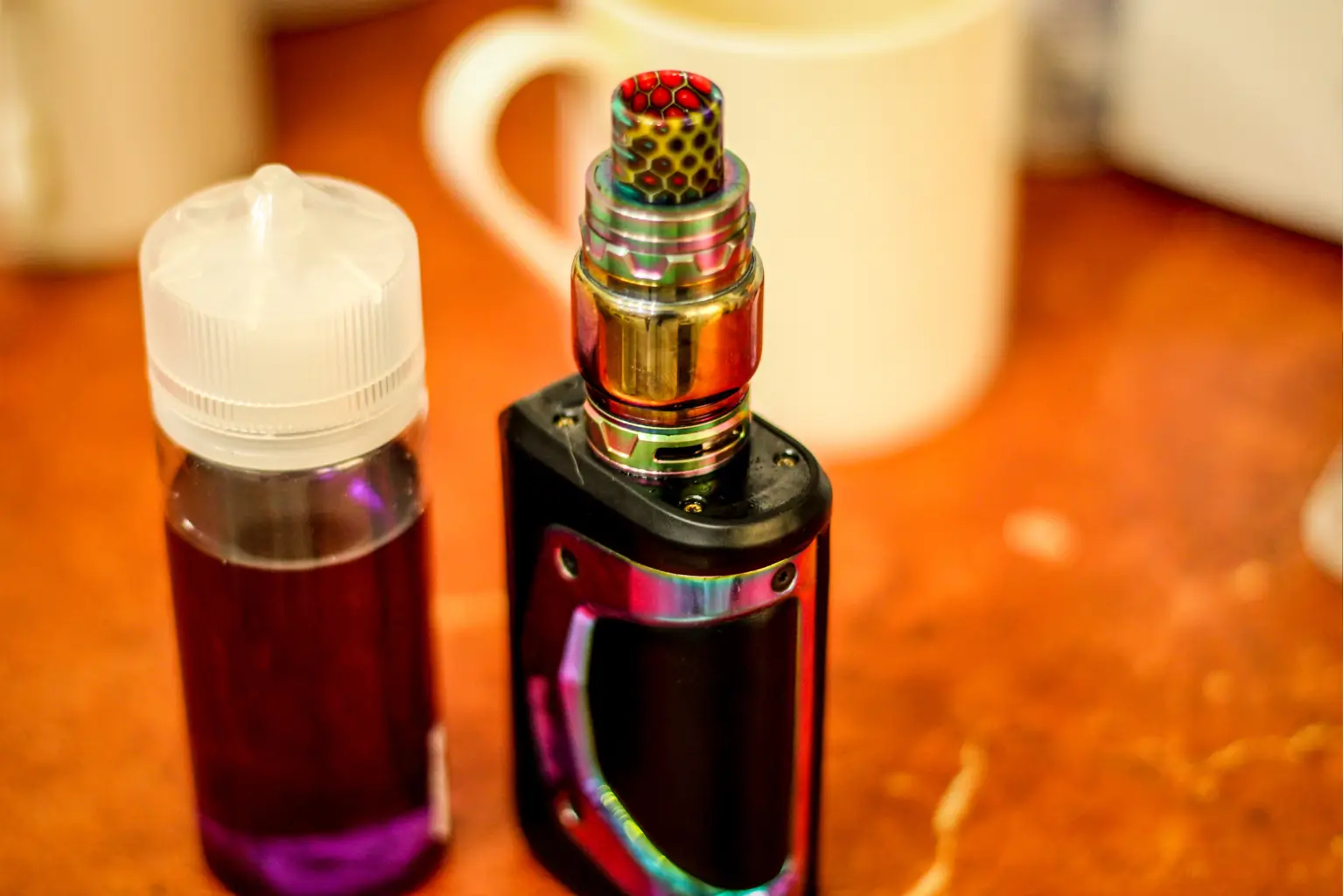
Finding ways to relax at the end of a long day is something many people look for. Among the newer options on the market are vape products marketed with calming ingredients like melatonin, chamomile, or L-theanine. While these devices are not treatments for anxiety, some users explore them for general relaxation or a wind-down routine.
Here is what to know about how these products are marketed, what they contain, and how to evaluate them safely.
Can Certain Vapes Promote Relaxation?
Most traditional vapes use nicotine, a stimulant that increases alertness and heart rate. Nicotine generally isn’t ideal for anyone seeking a calming or sleep-friendly experience.
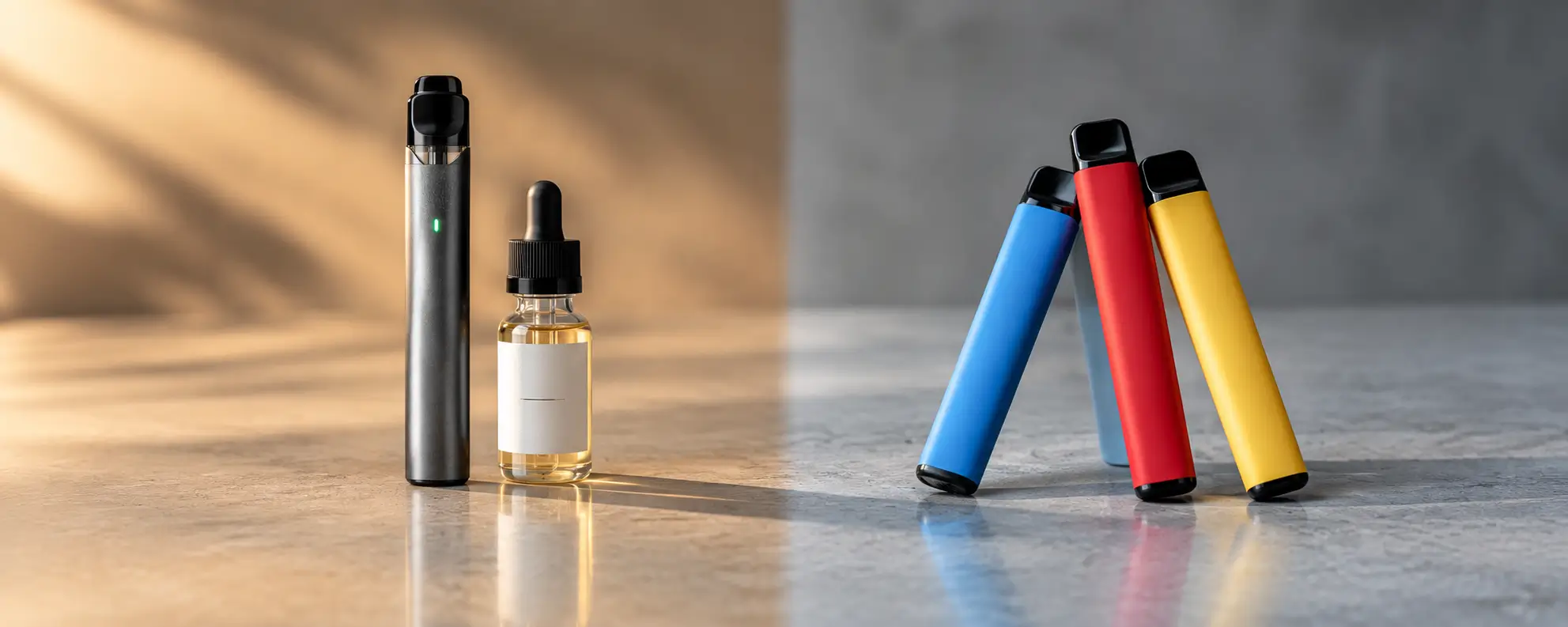
However, there’s a growing category of nicotine-free diffusers that use ingredients commonly associated with relaxation. These include melatonin, essential oils, or botanical extracts. Some users enjoy them as part of an evening routine, similar to aromatherapy.
Important:
Research on inhaled ingredients like melatonin and botanicals is still developing. Early analyses, including reviews from sources such as NIH’s PubMed Central and GoodRx, note that while melatonin plays a well-known role in sleep regulation, inhaled melatonin has limited evidence behind it and should be used cautiously.
Types of Relaxation Vapes
Melatonin Vapes
Melatonin is a hormone that helps regulate sleep cycles. Some manufacturers include it in wellness diffusers marketed as “vape for sleep and anxiety” or nighttime relaxation.
While melatonin is widely used in supplement form, inhaled versions haven’t been studied as thoroughly,, and users should be mindful of dosage and frequency.
Vitamin-Infused or Adaptogen Vapes
Another category includes diffusers with B12, L-theanine, GABA, or similar adaptogens. These products are often positioned as the best vape for anxiety alternatives due to their “stress-supporting” profiles. Their claimed effects come from traditional supplement use, not from vaping research.
Essential Oil and Herbal Vapes
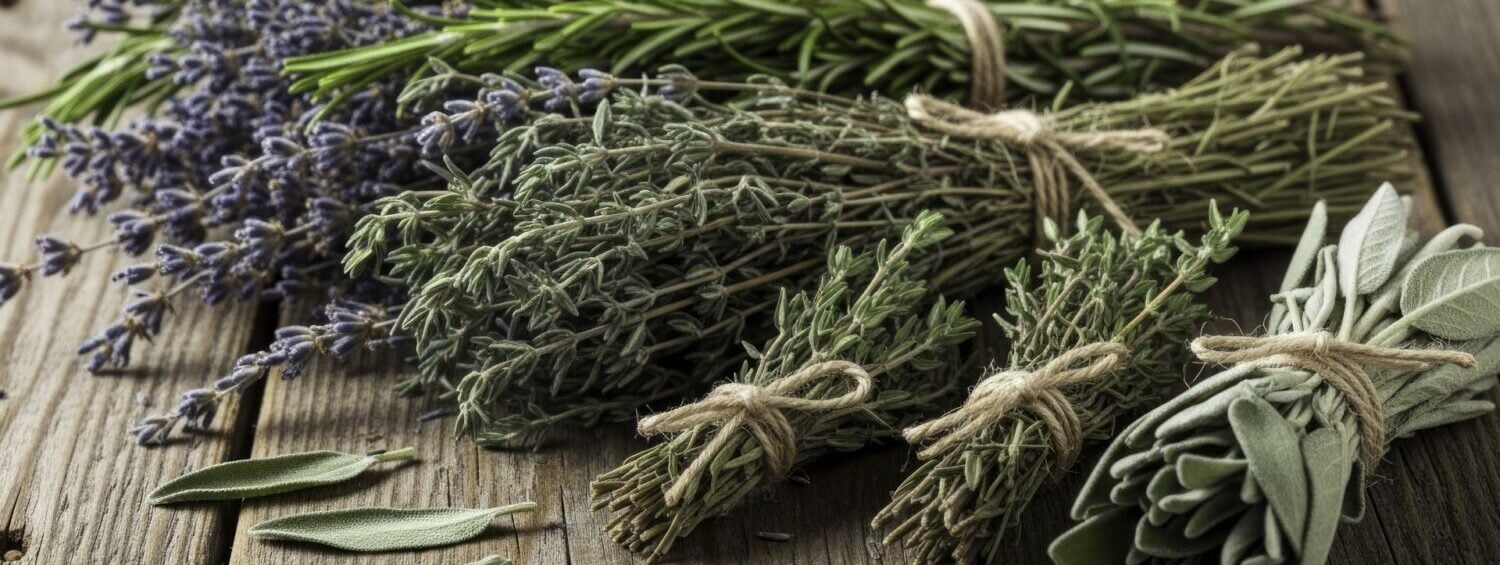
Some devices contain lavender, chamomile, peppermint, or similar botanicals. These are typically inhaled as vaporized mist rather than smoke. The experience is closer to aromatherapy, which some people associate with relaxation or focus.
Nicotine-Free vs. Nicotine Vapes
Nicotine-free devices dominate the relaxing vape category because nicotine is stimulating. If choosing a calming vape pen, look for ones clearly labeled “0% nicotine“ with full ingredient transparency.
What to Look For in a Vape for Anxiety or Sleep
Ingredient Transparency and Quality
Reputable brands list every ingredient and avoid artificial additives. Look for third-party testing or COAs (Certificates of Analysis).
Formulation and Dosage
Start with the lowest available strength, especially with melatonin or adaptogen blends. Each person reacts differently, so slow experimentation is the safest option.
Device Quality and Safety
Choose well-known manufacturers with reliable battery design and solid construction. Purchasing from a reliable vape shop ensures authenticity and safety standards.
Legal and Age Considerations
Even nicotine-free vapes usually follow the same age restrictions as traditional vape devices. Always review your local laws before purchasing.
Best Vapes for Anxiety and Relaxation
Here are a few nicotine-free diffuser brands commonly marketed for relaxation. These are not medical endorsements, simply a neutral overview of what is available.
1. Cloudy Melatonin Diffuser
Key ingredients: Melatonin, lavender, chamomile
Designed for: Nighttime routines or wind-down habits
Notes: Popular for simple formulation and lab-tested batches
2. Breather Essential Oil Pen
Key ingredients: Lavender, bergamot, peppermint
Designed for: Aromatherapy-style calming experience
Notes: Zero nicotine, botanical blend
3. Inhale Health B12 Diffuser
Key ingredients: Vitamin B12 Designed for: Light, daytime-friendly routine
Notes: No stimulants, no nicotine, well-known for ingredient transparency
4. LUVV Air ‘Zen’ Pen
Key ingredients: L-theanine, chamomile extract Designed for: Relaxation-themed use
Notes: Simple formula and smooth vapor output
5. MONQ Personal Diffusers
Key ingredients: Essential oil blends
Designed for: Aromatherapy experiences (calming, energizing, grounding blends)
Notes: Non-nicotine, botanical-only formulations
6. Soothe Herbal Pen
Key ingredients: Chamomile, lemon balm, mint
Designed for: Calming aromatherapy mist
Notes: No artificial sweeteners or fillers
7. Dream Air Melatonin Mist
Key ingredients: Melatonin, passionflower
Designed for: Evening relaxation routines
Notes: Gentle flavor profile, low-output device
Safety Tips and Precautions
Using a vape for anxiety requires careful consideration. Here are basic precautions:
Take small, spaced-out puffs to avoid overuse.
Follow manufacturer guidelines
Be aware of ingredients like melatonin, which can cause drowsiness.
Speak with a healthcare provider if you take medication or have underlying conditions.
Stop use immediately if you experience headaches, nausea, or discomfort.
Conclusion
Relaxation-themed vapes have grown in popularity, especially among people looking for nicotine-free options with botanical or wellness ingredients. While these products may be part of a calming routine, they are not treatments for anxiety, and the evidence for inhaled supplements is still evolving.
Choose reputable brands, understand the ingredients, follow safety guidelines, and make informed decisions about what works for your body.
FAQ
What Is a Vape for Anxiety?
It’s a marketing term for nicotine-free diffusers that use ingredients like melatonin or essential oils. They’re designed for relaxation themes, not medical treatment.
Do Melatonin Vapes Work for Sleep?
Melatonin supports sleep regulation when taken traditionally, but inhaled melatonin isn’t well studied. Use cautiously and speak with a healthcare provider if unsure.
Are Nicotine-Free Relaxation Vapes Safe?
They remove nicotine, but users should still check ingredient lists, look for lab testing, and follow usage instructions carefully. In all cases, customers should choose a reliable vape shop that prioritizes product transparency, quality control, and compliance with safety standards to reduce potential risks.
How Do Herbal or Essential Oil Vapes Promote Calm?
They provide an aromatherapy-style experience using scents traditionally associated with relaxation, like lavender or chamomile.
Can I Use a Vape for Sleep and Anxiety?
Such vapes may fit into a relaxing routine, but they are not anxiety treatments. Choosing mild vape juice flavors may contribute to a more relaxing experience, but vaping should not be relied on for managing anxiety or sleep conditions.
Are These Vapes Suitable for Daily Use?
It depends on the formula. Ingredients like melatonin may cause drowsiness with frequent use. Always review labels and talk to a professional if unsure.It’s also important to consider safe vape brands that provide clear ingredient disclosures, third-party lab testing, and consistent quality standards for daily use.
Subscribe now to keep reading and get access to the full archive.
"*" indicates required fields
Table of Contents
About the Author
Shelby Bockman
Shelby is a vape industry professional with more than seven years of experience in the vaping community and currently serves as a manager at Pink Spot Vapors, a well-known Las Vegas vape shop. With extensive knowledge of vaping devices, premium e-liquid, nicotine strengths, and flavor profiles, Shelby helps customers find the perfect vape setup to match their preferences and lifestyle.
Her expertise includes guiding both beginners and experienced vapers through the wide range of vape devices, helping them understand nicotine levels, and introducing them to unique e-liquid flavor profiles. Shelby is passionate about helping customers discover high-quality vape products while promoting responsible vaping and a personalized customer experience.
At Pink Spot Vapors in Las Vegas, Shelby also creates content that highlights the craftsmanship behind premium e-liquid, innovative flavor blends, and the creativity within the vape community. Her hands-on experience and passion for vaping help customers explore new flavors, find the right devices, and enjoy a better vape experience.
About the Author
Shelby Bockman
Shelby is a vape industry professional with more than seven years of experience in the vaping community and currently serves as a manager at Pink Spot Vapors, a well-known Las Vegas vape shop. With extensive knowledge of vaping devices, premium e-liquid, nicotine strengths, and flavor profiles, Shelby helps customers find the perfect vape setup to match their preferences and lifestyle.
Her expertise includes guiding both beginners and experienced vapers through the wide range of vape devices, helping them understand nicotine levels, and introducing them to unique e-liquid flavor profiles. Shelby is passionate about helping customers discover high-quality vape products while promoting responsible vaping and a personalized customer experience.
At Pink Spot Vapors in Las Vegas, Shelby also creates content that highlights the craftsmanship behind premium e-liquid, innovative flavor blends, and the creativity within the vape community. Her hands-on experience and passion for vaping help customers explore new flavors, find the right devices, and enjoy a better vape experience.