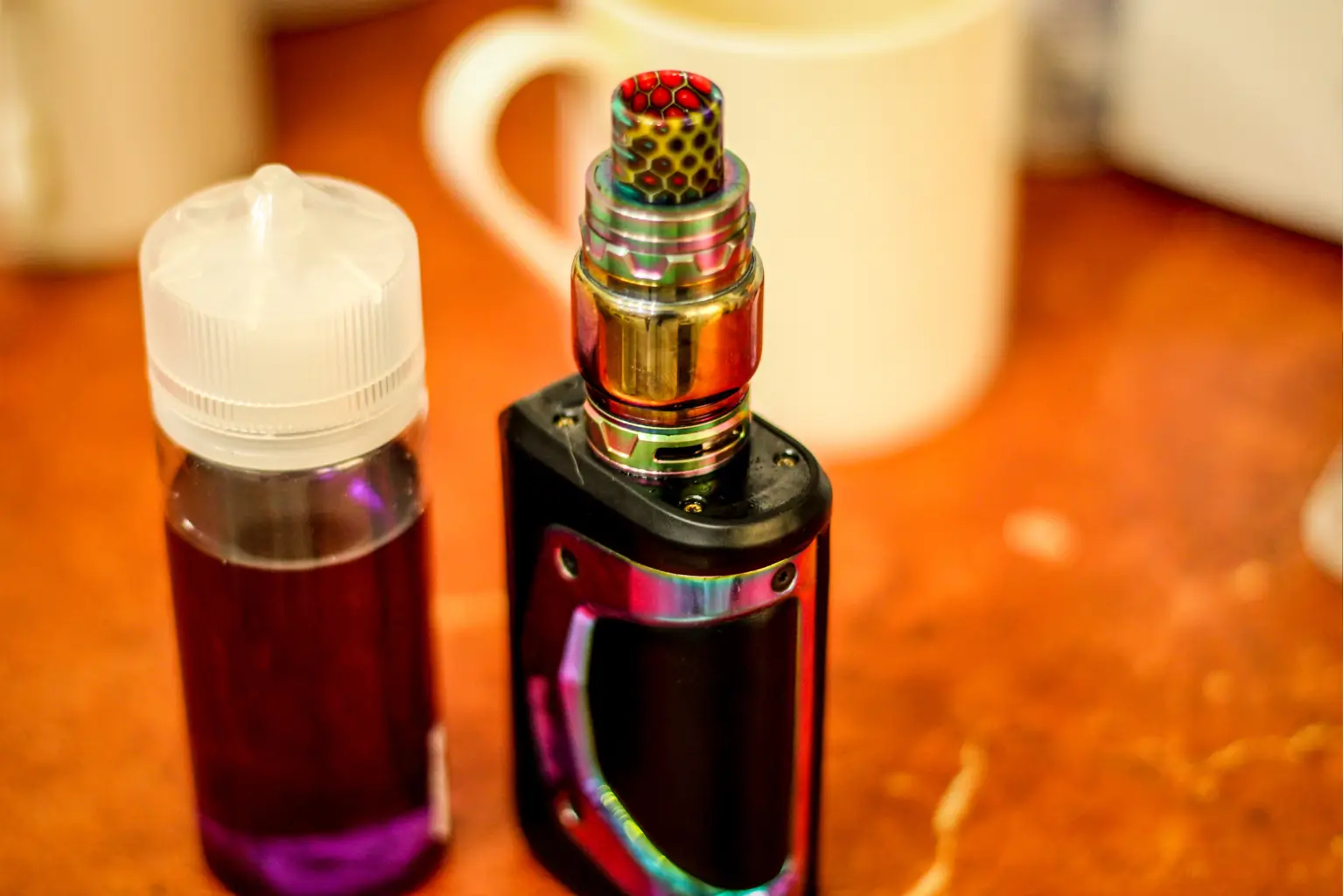
Vaping has become one of the most popular alternatives to smoking. You probably see sleek vape devices everywhere, at parties, in shops, or online.
But here’s the problem: fake vapes are flooding the market, and they’re often so well-made that you can’t tell the difference at first glance.
The scary part? These products can look identical to authentic ones. The box might have the same colors, the device might feel the same in your hand, and even the flavor names might sound familiar.
But inside, you might be inhaling something completely different and unsafe. That’s why knowing how to spot a fake vape before you buy one matters.
What Are Fake Vapes?
Counterfeit vapes (or fake vapes) are simply vapes that are intended to mimic legitimate branded vape products – but not produced to the same standards for safety, quality control, or ingredients.
Counterfeit vapes are usually manufactured in unregulated environments, where the objective is to limit costs and maximize quantity—not keep your health safe!
To that end, counterfeiters are surprisingly ingenious at making their products look authentic:
Packaged lookalikes: Boxes can brandish similar color schemes, font, and layout to the authorized vape device(s).
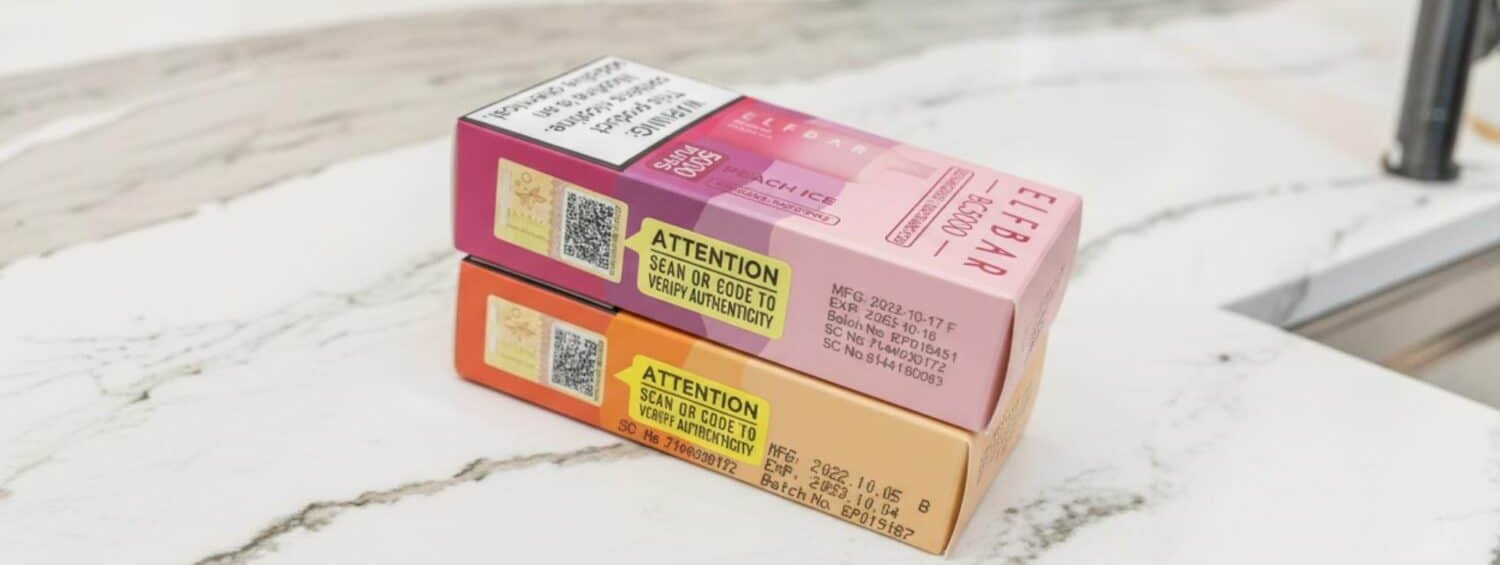
Fake serial numbers: Some may even produce random codes or QR stickers that look authentic, but there is nothing to back the claims, nor is there a connection to an authorized system.
Brand leaving out a letter or word: One letter or word is usually changed slightly, so it can get through your first-glance view, but the products are fake.
At first, it’s almost impossible to spot the difference without knowing what to look for. That’s why people often buy them by mistake, especially from unreliable shops or online sellers.
Why Are Fake Vapes Dangerous?
So, are fake vapes dangerous? The short answer is yes. The risks go far beyond just wasting your money.
Here’s why counterfeit vapes are unsafe:
Illegal and unregulated contents: Authorized vape products have ingredients listed for a legitimate reason. Thus, counterfeit vape pens would not have these ingredient lists. Counterfeit vape pens may have cheap solvents, heavy metals, or chemicals that are not inhalable.
Unregulated nicotine levels: Some fake vape products contain far higher nicotine than what’s legal or safe, leading to stronger addiction or side effects like dizziness and nausea.
Contaminants: Without sample testing labs, oils made in the counterfeit pens may have withheld pesticides, mold, or residual solvents from unsanitary manufacturing.
Device malfunction: When produced poorly, batteries and coils may heat up, leak or explode on you.
Authentic brands are required to meet safety standards. Counterfeit vape pens skip those steps, leaving you exposed to risks you didn’t sign up for.
This is the real answer to your question, “why are fake vapes dangerous?” because they cut corners on everything that keeps vaping safe.
Key Signs of a Fake Vape Product
It can be hard to identify fake vape products, but knowing what to look for can help you avoid exposing yourself to needless hazards. Let’s consider the main warning flags.
Price and Source Warning Flags
If the price seems too low to be real, it likely is! Fake vape products are often sold for much less than authentic products because counterfeiters use cheaper quality parts.
Be wary of:
Vaping products are sold on the street or from gas stations that offer “discount” products.
Websites that sell vaping products that are not reputable and do not offer customer support or a return policy.
Bulk deals that claim unbelievable savings in relation to licensed shops.
Packaging is one of the easiest places to make mistakes. Counterfeiters often overlook things that legitimate companies will not overlook.
Consider:
Spelling or grammatical mistakes on the packaging.
Low print quality (smudged logos, washed-out colors, or uneven font).
Missing health warnings that are required by law (product may have poisoning hazard).
Missing batch numbers, barcodes, or QR codes on the packaging.
Inaccurate box sizing (larger or smaller) or a shape other than what the brand typically sells.
If anything looks “wrong”, even slightly, go with your instincts. Authentic vape products versus fake usually come down to these seemingly small details.
Build Quality and Oil Color
Once you hold the vape, you can sometimes tell if it’s fake just by its feel.
Look out for:
Flimsy construction—lightweight plastic that feels cheap.
Loose or misaligned parts—a mouthpiece that doesn’t sit right or a tank that wobbles.
Odd oil color or thickness—liquid that looks darker than usual, too watery, or cloudy.
Real brands maintain consistent standards. Fake vape products often look inconsistent because they’re made with whatever materials are cheapest at the time.
Verification Features
Many vapor brands now have verification features on their products to allow buyers to verify if they are real or not. Verification features include:
Holograms or seals that shine under light
Scratch-off codes that can be entered on the company website
QR Codes that link to the company verification page
If you scratch off the code and it doesn’t work or the QR code takes you to a non-working or fake page, you are holding an imitation vape pen.
Nicotine Strength, Liquid Volume and Puffs
Another strong indicator that something is counterfeit is if the claims on the label do not make sense. To entice buyers, counterfeit vapes will often make exaggerated claims on specifications.
Things to watch for:
Puffs that are not realistic (10,000 puffs plus from a small disposable).
Nicotine levels that are above legal limits in your jurisdiction.
Claims about liquid volume do not match the products. Example: the packaging says 10mL, and the tank is visibly smaller.
Always cross-check with the brand’s official specs online. If the numbers don’t match, it’s likely fake.
How to Avoid Counterfeit Vapes
While knowing the risks is one way to be aware, preventing counterfeit vape products is a more sensible option. Here are some ways that have been proven to avoid counterfeit products.
Buy From Verified Sellers
Buy from licensed vapor shops or established online retailers. Those retailers generally:
Will guarantee authenticity.
Can provide lab reports that disclose the ingredients are safe.
Will have a return policy to undo a purchase if something doesn’t seem right.
You’ll pay a bit of a premium buying from a verified store, but you won’t be risking your health either.
Do A Little Research on the Product and Seller
Before you buy, do a little research:
Check out the product and seller reviews.
Review return policies.
Confirm that the seller has legitimate business history.
Scammers will quickly establish new online stores, sell a batch of bogus vapes, and close shop after buyers start complaining.
Compare Prices and Specs
Don’t just buy the cheapest price. Compare prices from different retailers to find an average price.
If one retailer has the same device for half the price, that is definitely a warning sign. Compare the listed specs, especially puff counts and nicotine concentration, to the official page.
Trust Your Instincts
At the end of the day, your instincts can be incredibly accurate. If you feel something is shady about the seller, the packaging, and even the way the device feels while holding it, don’t complete the transaction.
Better to walk away from a deal than accept a counterfeit vape pen that doesn’t align with your health and bank account.
What to Do If You Purchased a Fake Vape
Even if you are careful, there are instances where fake vapes get past you. If you suspect you purchased one, here’s what to do:
Stop using it IMMEDIATELY: There’s no point in finishing the oil or “getting your money’s worth”. The risks around inhaling unknown chemicals or dealing with a defective device simply are not worth it.
Dispose of it properly: This does not mean throwing it in the trash! Call your local waste disposal service or licensed vape shop for information on safe disposal. Counterfeit pens may use a faulty battery to operate, which could lead to fire, especially when improperly disposed of.
Report to the manufacturer: Many legitimate companies want to know about counterfeit versions of their products. Some even offer refunds or replacements if you unknowingly bought a fake.
Report to the seller. If you purchased the vape online, report the store or the listing. If you made your purchase in a brick-and-mortar shop, speak to local consumer protection organizations. You may help someone avoid being scammed or harmed.
Watch for signs of medical harm: If you used the fake vape and notice unusual symptoms—like nausea, coughing, chest pain, or dizziness—consult a doctor as soon as possible.
Staying Safe While Shopping for Vapes
It’s worth repeating that vigilance pays off. Spotting red flags is important, but prevention is even better.
The vaping world has many trustworthy brands and safe options, but counterfeit vapes can tarnish the experience if you’re not cautious.
As you shop, keep these habits in mind:
Stick with licensed and reliable vape shop
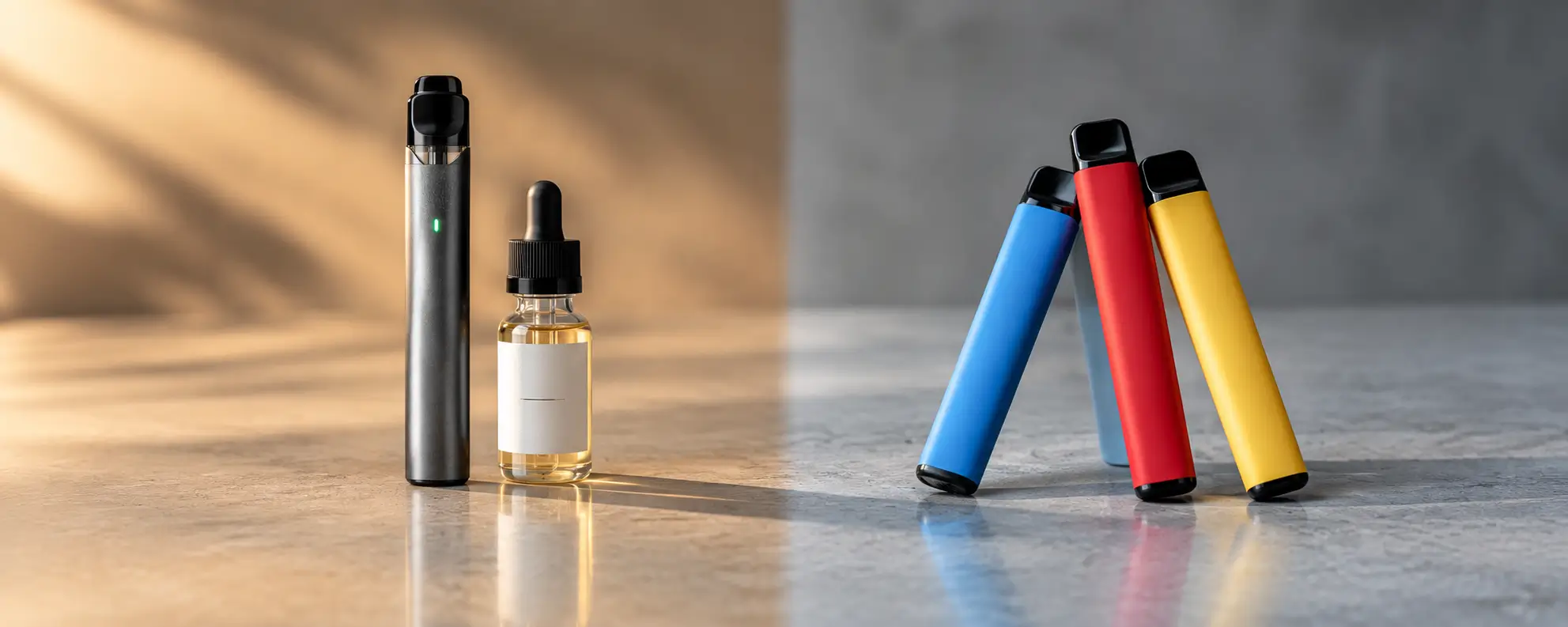
Learn about the different types of vapes so you know what features are realistic for each category.
Check product specs and compare them with the manufacturer’s site before buying.
Avoid sellers who pressure you into quick purchases with “limited-time” prices that are suspiciously low.
Why Vigilance Protects Both Health and Wallet
Buying a fake vape isn’t just risky for your body—it’s also a waste of your money. Counterfeiters bank on repeat sales, knowing customers might not realize the problem until later. Worse, they put your health at risk by skipping safety checks.
On the other hand, when you buy authentic products from authentic brands, you:
Get more reliable quality on every purchase.
Know exactly what the nicotine content is and how many puffs are in the e-liquid.
You have a quality refund/return policy.
You support brands that invest in safety and innovation.
FAQs
Are Fake Vapes Dangerous?
Yes. Counterfeit vapes can contain harmful chemicals, high levels of nicotine, or poorly constructed batteries and are bad for your health as well as your safety.
How Do You Identify a Fake Vape?
You should look for bad packaging, cheap build quality, no authentication codes, and prices far lower than the manufacturer’s suggested price.
Why Are Fake Vapes So Cheap?
Because they utilize low-grade materials and have no safety checks, the producer is able to cut costs and price it lower than a legitimate offering.
Where Are Fake Vapes Commonly Sold?
They are found at gas stations, unlicensed stores and dubious online retailers, whereas authentic items are sold at a reputable vape shop.
Can Fake Vapes Cause Health Problems?
Yes. They can cause nausea, coughing, or much more serious long-term lung injury from the unregulated ingredients.
How Can I Verify My Vape’s Authenticity?
Look for QR codes, holograms, or scratch-off codes provided by the manufacturer and confirm them on the official website.
Why Is Age Restriction Important in Vaping?
Some people ask, “how old do you have to be to buy a vape?” The answer depends on your location. In most countries and U.S. states, the legal age is either 18 or 21. Always check local laws before making a purchase, since underage sales can result in fines for both buyers and sellers.
Subscribe now to keep reading and get access to the full archive.
"*" indicates required fields
Table of Contents
About the Author
Shelby Bockman
Shelby is a vape industry professional with more than seven years of experience in the vaping community and currently serves as a manager at Pink Spot Vapors, a well-known Las Vegas vape shop. With extensive knowledge of vaping devices, premium e-liquid, nicotine strengths, and flavor profiles, Shelby helps customers find the perfect vape setup to match their preferences and lifestyle.
Her expertise includes guiding both beginners and experienced vapers through the wide range of vape devices, helping them understand nicotine levels, and introducing them to unique e-liquid flavor profiles. Shelby is passionate about helping customers discover high-quality vape products while promoting responsible vaping and a personalized customer experience.
At Pink Spot Vapors in Las Vegas, Shelby also creates content that highlights the craftsmanship behind premium e-liquid, innovative flavor blends, and the creativity within the vape community. Her hands-on experience and passion for vaping help customers explore new flavors, find the right devices, and enjoy a better vape experience.
About the Author
Shelby Bockman
Shelby is a vape industry professional with more than seven years of experience in the vaping community and currently serves as a manager at Pink Spot Vapors, a well-known Las Vegas vape shop. With extensive knowledge of vaping devices, premium e-liquid, nicotine strengths, and flavor profiles, Shelby helps customers find the perfect vape setup to match their preferences and lifestyle.
Her expertise includes guiding both beginners and experienced vapers through the wide range of vape devices, helping them understand nicotine levels, and introducing them to unique e-liquid flavor profiles. Shelby is passionate about helping customers discover high-quality vape products while promoting responsible vaping and a personalized customer experience.
At Pink Spot Vapors in Las Vegas, Shelby also creates content that highlights the craftsmanship behind premium e-liquid, innovative flavor blends, and the creativity within the vape community. Her hands-on experience and passion for vaping help customers explore new flavors, find the right devices, and enjoy a better vape experience.