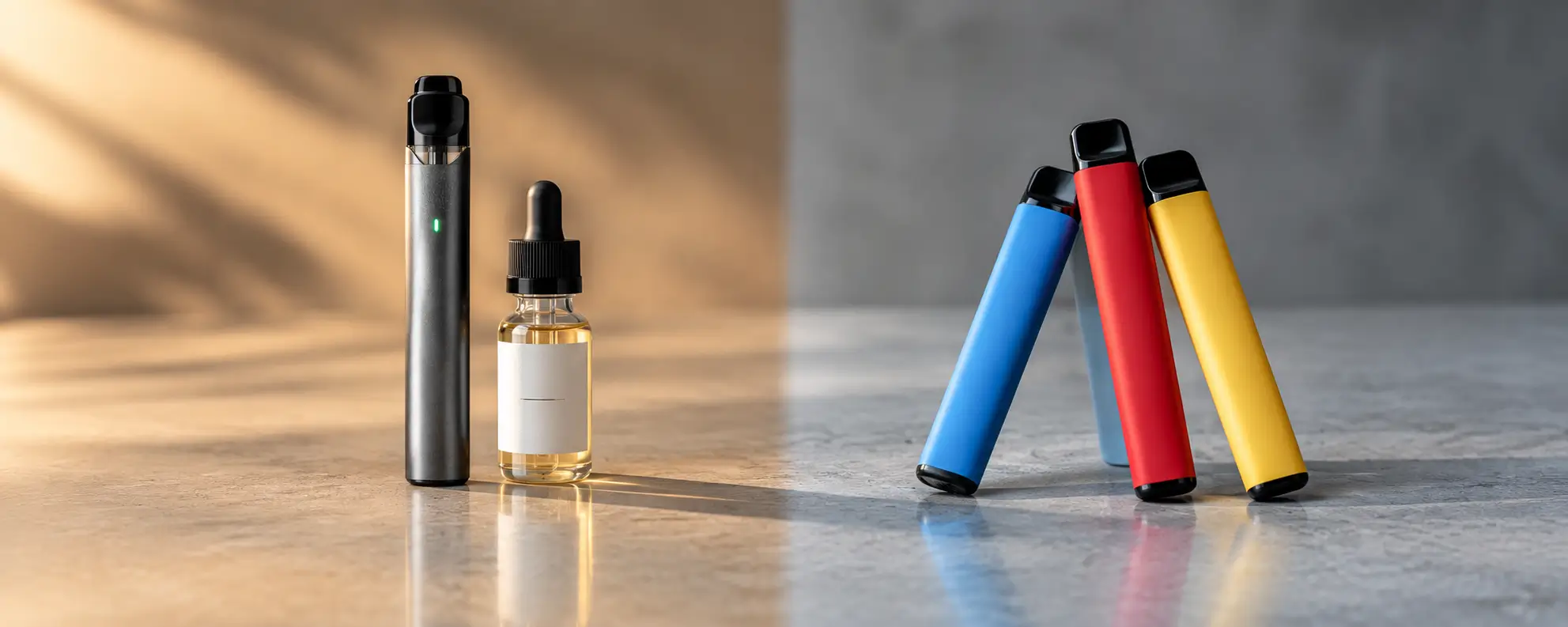
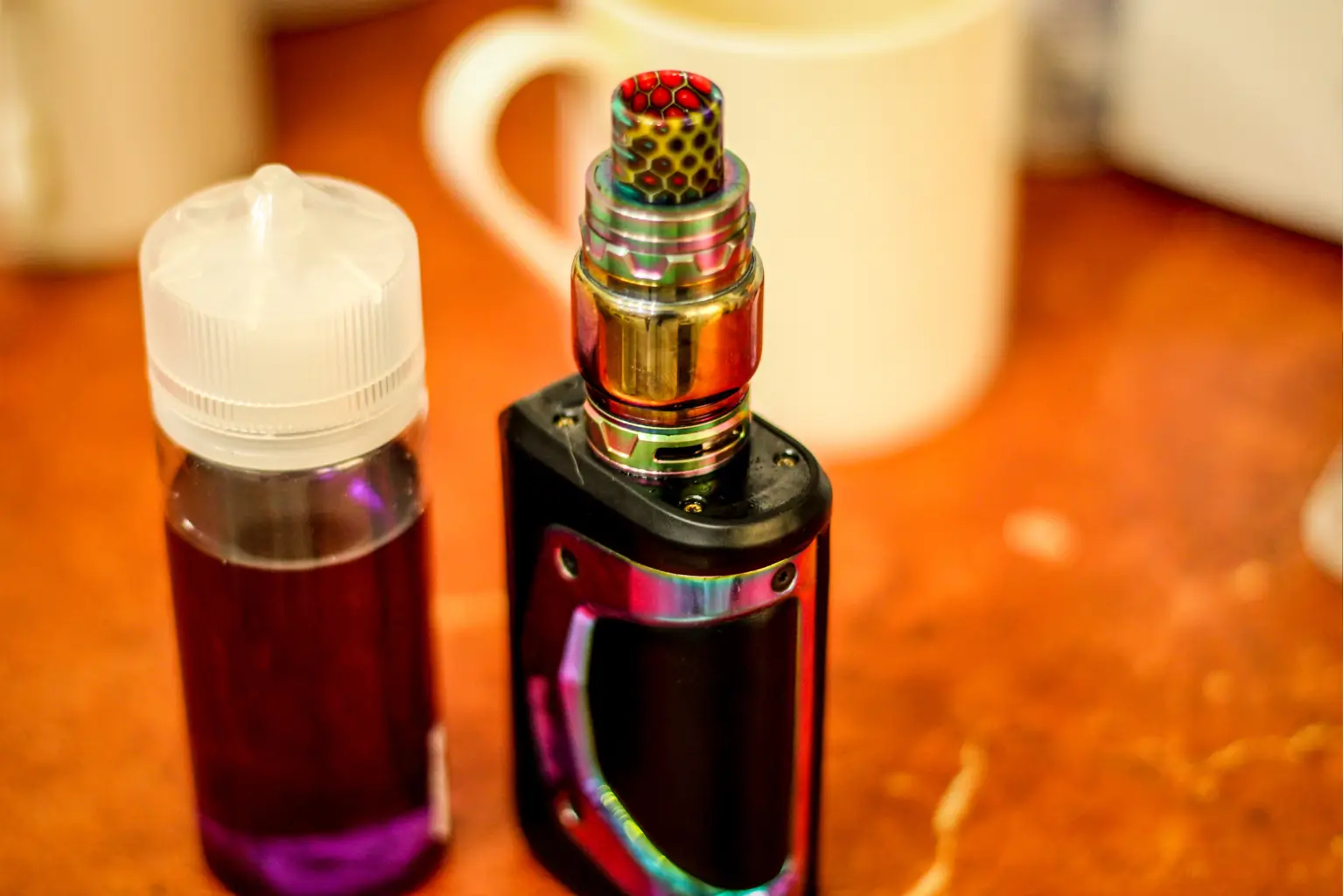
There are several different types of vapes available today, each designed for different experience levels, preferences, and lifestyles. This guide explains the main vape device types, how they differ, and which options are best suited for beginners, casual users, and experienced vapers.
What is a Vape?
A vape, short for vaporizer, is a device that heats e-liquid (commonly referred to as vape juice) to create an aerosol, which users inhale. Unlike traditional cigarettes that burn tobacco, vapes utilize a heating element to vaporize the liquid, offering a different experience. The e-liquids often contain nicotine, flavorings, and other additives, allowing for a customizable vaping experience.
When discussing the different types of vapes, we can categorize them into several main types. Each type caters to different preferences, experience levels, and lifestyles. Below is an in-depth look at the most common vape types.
Different Types Of Vapes
Cigalikes
Cigalikes are designed to mimic the look and feel of traditional cigarettes. They are typically small, lightweight, and easy to use, making them a popular choice for beginners.
Pros:
Discreet and portable
Simple to use with no complicated settings
Familiar design for smokers transitioning to vaping
Cons:
Limited battery life
Lower vapor production compared to other types
Fewer flavor options
Replacement cartridges are expensive
Cigalikes are typically manufactured by Big Tobacco companies like RJ Reynolds.
May not deliver a fully satisfying hit
Who is it suitable for?
Cigalikes are useful for beginners or smokers looking for a straightforward vaping experience without the complexities of advanced devices.
Vape Pens
Vape pens are slightly larger than cigalikes and offer a better battery life and more vapor production. They are often used with e-liquids and come in various styles and designs.
Key Characteristics
Medium-sized, pen-style design
Rechargeable battery
Uses refillable tanks or cartridges
Moderate vapor output
Pros
Better battery life than cigalikes
Wider flavor options
Some models offer adjustable settings
Cons
Bulkier than cigalikes
May require cleaning and basic maintenance
Limited customization compared to advanced devices
Best For
Users are looking to upgrade from entry-level devices while keeping things simple and portable.
Pod Systems
Pod systems are compact vaping devices that use pre-filled or refillable pods instead of traditional tanks. They are known for convenience, portability, and ease of use.
Key Characteristics
Small, lightweight design
Uses pods instead of tanks
Often draw-activated
Low to moderate vapor production
Pros
Extremely portable and discreet
Simple operation with minimal setup
Consistent performance
Cons
Smaller e-liquid capacity
Pods can be costly over time
Less control over settings
Best For
Users who prioritize convenience, portability, and low-maintenance vaping. Pod systems are also where most adults land when switching from oral nicotine products like Zyn. The Zyn vs vape comparison breaks down what that switch actually feels like across nicotine delivery, taste, and routine fit.
Box Mods
Box mods are larger devices that offer advanced features, including adjustable wattage and temperature control. They are designed for experienced vapers who want to customize their vaping experience.
Key Characteristics
Box-shaped, larger form factor
Adjustable wattage and temperature
High battery capacity
Strong vapor production
Pros
High level of customization
Powerful performance
Long battery life
Cons
Bulky and less portable
Steeper learning curve
Higher upfront cost
Best For
Experienced users who want full control over their vaping experience and performance.
Mechanical Mods
Mechanical mods are the simplest form of vaping devices, consisting of a battery and an atomizer without any electronic components. They require a good understanding of battery safety and ohm’s law.
Key Characteristics
No electronic controls
Manual operation
Requires user-built coils
Maximum power output
Pros
Simple internal design
High power potential
Fully customizable setup
Cons
No built-in safety features
Requires technical knowledge
Not suitable for beginners
Best For
Advanced users with experience in battery safety and coil building.
Disposable Vapes
Disposable vapes are pre-filled devices that are ready to use out of the box. Once the e-liquid is depleted, the entire device is discarded.
Key Characteristics
Ready to use out of the box
No charging or refilling
Compact and lightweight
Fixed performance settings
Pros
No maintenance required
Very easy to use
Highly portable
Cons
Single-use design
Limited customization
Environmental impact
Best For
Casual users or those trying vaping for the first time without committing to a reusable device.
Vape Type
Ease of Use
Portability
Customization
Maintenance
Cigalikes
Very Easy
High
Low
Low
Vape Pens
Easy
Medium
Medium
Medium
Pod Systems
Easy
High
Low–Medium
Low
Box Mods
Advanced
Low
High
High
Mechanical Mods
Expert
Low
Very High
Very High
Disposables
Very Easy
High
None
None
How to Choose the Right Vape Type
Choosing the right vape depends on your experience level, how often you plan to use it, and how much control you want over your device. Below is a simple breakdown to help you decide which vape type fits your needs.
Experience Level: Are you a beginner or an experienced vaper? Choose a device that matches your skill level.
Lifestyle: Do you need something portable and discreet, or are you looking for a device with advanced features?
Budget: Vapes range in price, so consider how much you’re willing to spend on the device and ongoing e-liquid costs.
Recommendations for Different Types of Users
For Beginners
Beginners typically benefit from devices that are easy to use and require little to no setup. Cigalikes, pod systems, and disposable vapes are popular entry-level options because they offer straightforward operation without advanced settings or maintenance.
For Casual or Social Users
Casual or social users often prefer devices that are portable, convenient, and reliable for occasional use. Pod systems and vape pens provide a good balance between simplicity and performance, making them suitable for users who vape occasionally and want consistent results without complexity.
For Experienced Users
Experienced users usually look for greater control over vapor production, power, and customization. Box mods and mechanical mods are designed for advanced users who understand device settings and want the ability to fine-tune their vaping experience.
Common Vaping Terms Explained
As vaping devices have evolved, so has the terminology used to describe how they function. From e-liquids and coil resistance to power settings and nicotine formulations, understanding these terms can help users make more informed decisions and better understand device differences.
E-Liquid (Vape Juice)
E-liquid, also known as vape juice or vape liquid, is the liquid used in vapes to create vapor. It typically consists of four main ingredients: propylene glycol (PG), vegetable glycerin (VG), flavorings, and nicotine (if desired).
Propylene Glycol (PG): A thin, flavor-carrying base that provides a throat hit similar to smoking. It is less viscous than VG, making it suitable for devices that require lower viscosity liquids.
Vegetable Glycerin (VG): A thicker base that produces larger vapor clouds. VG is sweeter and provides a smoother inhale, making it popular among cloud chasers.
Flavorings: Available in a wide variety of options, from fruity to dessert to beverage flavors, allowing users to customize their vaping experience.
Nicotine: Available in various strengths, nicotine can be adjusted to suit individual preferences.
Nicotine Salt (Nic Salt): Available typically at higher levels, provides a more concentrated dose of nicotine without a strong “throat hit” that is usually associated with stronger nicotine concentrations.
Understanding the composition of e-liquids will help you choose the right products for your vaping style.
Ohm and Resistance
Ohm is a unit of measurement that refers to electrical resistance. In vaping, the resistance of a coil affects how much power it requires to heat up and produce vapor.
Low Resistance (Sub-Ohm): Coils with a resistance of less than 1 ohm are considered sub-ohm. These coils produce more vapor and flavor but require more power and can drain batteries faster.
High Resistance: Coils with a resistance above 1 ohm are typically used for mouth-to-lung (MTL) vaping. These coils produce less vapor but are suitable for users who prefer a tighter draw similar to traditional cigarettes.
Understanding ohm ratings can help you choose the right coils for your device and vaping style.
Wattage and Voltage
Wattage and voltage are crucial settings that determine how much power is delivered to the coil in your vape device.
Wattage: This setting controls the amount of power that is sent to the coil. Higher wattage generally results in more vapor production and flavor but can also lead to faster battery drain and increased heat. Setting a device to Wattage control delivers a consistent output, regardless of remaining battery life. Many devices, especially those without display screens, will dynamically adjust the wattage based on the resistance of the coil that is installed.
Voltage: Voltage is the electrical potential difference that affects how much power is delivered to the coil. Some devices allow users to adjust voltage settings, while others are preset. Voltage control is rare now in most devices except for pen style batteries.
Knowing how to adjust wattage and voltage can enhance your vaping experience by allowing you to customize your device’s performance.
Throat Hit
Throat hit refers to the sensation felt in the throat when inhaling vapor. This sensation can vary based on several factors, including nicotine strength, PG/VG ratio, and device type.
Higher Nicotine Levels: Generally provide a stronger throat hit, which can be satisfying for former smokers.
PG vs. VG: E-liquids with higher PG content tend to produce a more pronounced throat hit, while higher VG liquids offer a smoother experience.
Understanding throat hit can help you choose e-liquids that provide the sensation you prefer.
Coil Types
Coils are an essential component of vaping devices, as they heat the e-liquid to produce vapor. There are various coil types, each with unique characteristics:
Kanthal: A popular and affordable option, Kanthal coils are made from a type of steel alloy and are known for their durability and consistent performance. Kanthal is the dominant material in most atomizers
Stainless Steel: Offers versatility as it can be used in both wattage and temperature control modes. Stainless steel coils provide a cleaner flavor and are resistant to oxidation.
Nickel and Titanium: These materials are used for temperature control vaping. They require specific devices that can handle temperature control settings.
Familiarizing yourself with coil types can help you select the best options for your vaping preferences.
Nicotine Salts
Nicotine salts are a newer formulation of nicotine that provides a smoother throat hit and allows for higher concentrations without the harshness typically associated with freebase nicotine. This makes them particularly appealing to former smokers and those looking for a quick nicotine fix.
Benefits of Nicotine Salt Vape: They are absorbed more quickly into the bloodstream, providing a more satisfying experience for users who crave nicotine. Additionally, they are often used in pod systems and disposables, making them convenient for on-the-go vaping.
Understanding nicotine salts can help you make informed choices about your e-liquid options.
Exploring the different types of vapes available can help you make an informed decision about which device is right for you. Whether you’re a beginner looking for a simple option or an experienced vaper seeking advanced features, there’s a vape type that fits your needs.
FAQ
What Type Of Vape Is Best?
The best vape type depends on your experience level and preferences. Beginners may prefer cigalikes or pod systems, while advanced users might opt for box mods or mechanical mods. It’s also important to consider factors like battery life, ease of use, and portability. Some users might prioritize flavor options, while others look for devices that produce large vapor clouds. Testing different types can help you find the one that perfectly suits your needs.
How Many Vape Types Are There?
There are several vape types, including cigalikes, vape pens, pod systems, box mods, mechanical mods, and disposable vapes. Each type offers unique features and caters to different vaping styles. For example, pod systems are known for their compact size and ease of use, making them popular among those who prefer a discreet vaping experience.
What Are The 3 Names For Vapes?
Vapes are also commonly referred to as vaporizers, e-cigarettes, and electronic cigarettes. These names are used across different contexts and regions, sometimes reflecting the device’s appearance or function. “E-cigarette” is often used for devices resembling traditional cigarettes, while “vaporizer” can refer to more advanced devices.
Subscribe now to keep reading and get access to the full archive.
"*" indicates required fields
Table of Contents
About the Author
Shelby Bockman
Shelby is a vape industry professional with more than seven years of experience in the vaping community and currently serves as a manager at Pink Spot Vapors, a well-known Las Vegas vape shop. With extensive knowledge of vaping devices, premium e-liquid, nicotine strengths, and flavor profiles, Shelby helps customers find the perfect vape setup to match their preferences and lifestyle.
Her expertise includes guiding both beginners and experienced vapers through the wide range of vape devices, helping them understand nicotine levels, and introducing them to unique e-liquid flavor profiles. Shelby is passionate about helping customers discover high-quality vape products while promoting responsible vaping and a personalized customer experience.
At Pink Spot Vapors in Las Vegas, Shelby also creates content that highlights the craftsmanship behind premium e-liquid, innovative flavor blends, and the creativity within the vape community. Her hands-on experience and passion for vaping help customers explore new flavors, find the right devices, and enjoy a better vape experience.
About the Author
Shelby Bockman
Shelby is a vape industry professional with more than seven years of experience in the vaping community and currently serves as a manager at Pink Spot Vapors, a well-known Las Vegas vape shop. With extensive knowledge of vaping devices, premium e-liquid, nicotine strengths, and flavor profiles, Shelby helps customers find the perfect vape setup to match their preferences and lifestyle.
Her expertise includes guiding both beginners and experienced vapers through the wide range of vape devices, helping them understand nicotine levels, and introducing them to unique e-liquid flavor profiles. Shelby is passionate about helping customers discover high-quality vape products while promoting responsible vaping and a personalized customer experience.
At Pink Spot Vapors in Las Vegas, Shelby also creates content that highlights the craftsmanship behind premium e-liquid, innovative flavor blends, and the creativity within the vape community. Her hands-on experience and passion for vaping help customers explore new flavors, find the right devices, and enjoy a better vape experience.