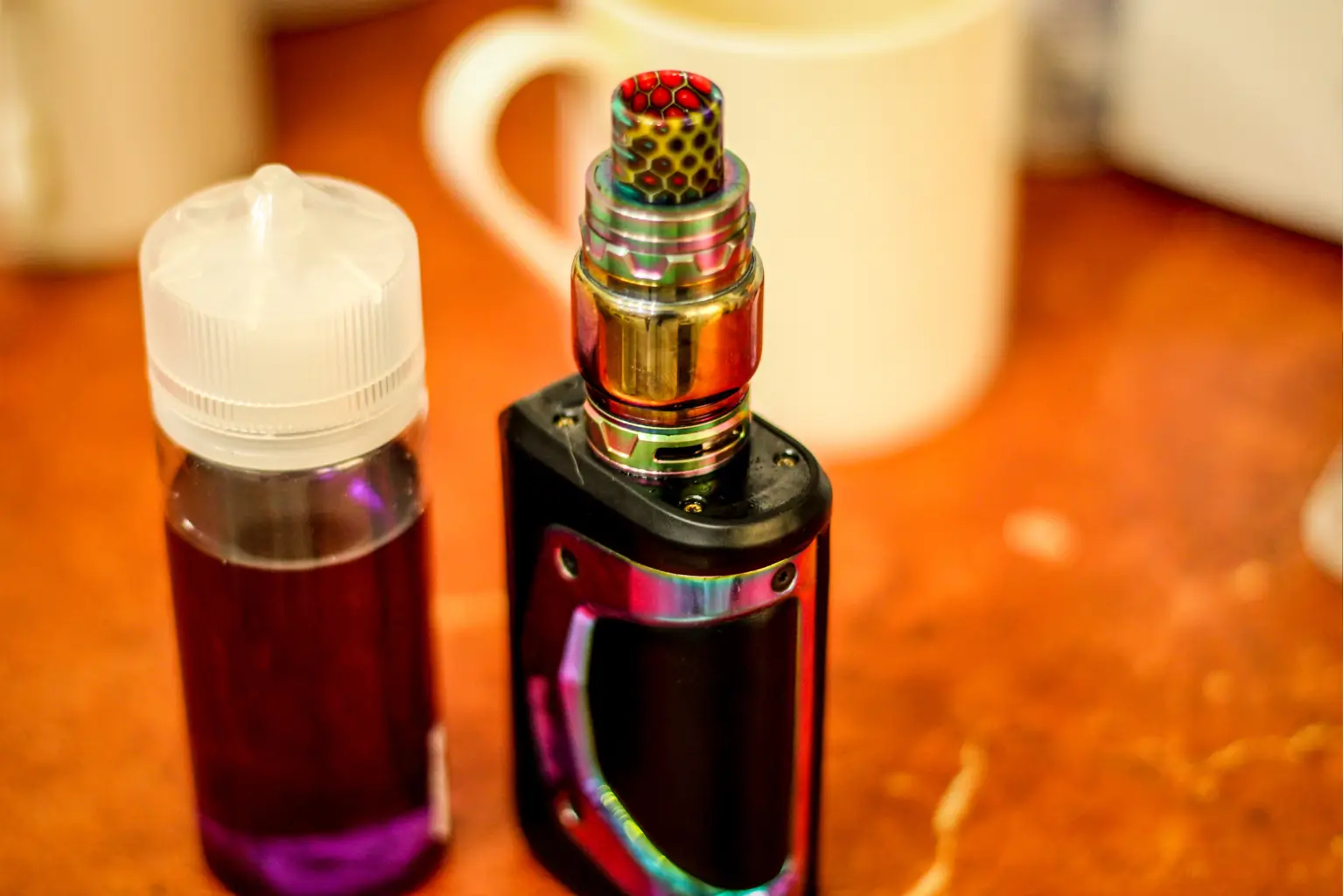
Most vapers have found an old bottle tucked in a drawer and wondered whether it is still usable. Vape juice does have a shelf life, and understanding it prevents a poor vaping experience.
A degraded e-liquid will not necessarily cause harm, but it will deliver a noticeably worse experience. This guide covers how long vape juice lasts, what expired e-liquid looks and smells like, and how to store it properly.
Does Vape Juice Expire?
Yes. Vape juice expires, and most bottles have a best-before or e-liquid expiry date on the label to confirm it.
Does vape juice expire in a way that makes it dangerous? Rarely. The more common outcome is a drop in quality: faded flavor, weaker nicotine delivery, or a taste that is noticeably off from what it used to be.
The core components in any e-liquid (propylene glycol, vegetable glycerin, flavoring concentrates, and nicotine) each degrade at their own rate. Understanding which degrades fastest helps explain why a bottle can change well before the printed date arrives.
E-liquid typically expires within 1–2 years of manufacture under ideal conditions.
How Long Does Vape Juice Last?
The question of “how long does vape juice last” depends mainly on whether the bottle has been opened and how it has been stored.
Nicotine is the most volatile component. It oxidizes when exposed to air and light, gradually weakening its effect and altering the flavor. PG and VG are relatively stable chemically, but they can absorb surrounding odors over time.
Flavoring concentrates fade at varying rates; complex multi-layer profiles tend to break down faster than simple single-note flavors. High-nicotine e-liquids tend to show degradation more noticeably than lower-strength options.
When you’re buying, it’s worth sourcing from a reputablevape juice provider so you have confidence in production dates and storage conditions before the bottle even reaches you.
Unopened Vape Juice
An unopened bottle stored in a cool, dark place can retain its quality for up to two years. This is the baseline manufacturers use when setting expiry dates. With the cap sealed and no air exposure, nicotine oxidation is minimal and the flavor compounds remain relatively stable. If the bottle has been sitting in sunlight or somewhere warm, that printed date becomes less reliable.
Opened Vape Juice
Once the seal is broken, degradation accelerates. Exposure to air begins nicotine oxidation immediately, and every time the bottle is opened, more oxygen enters. Quality typically declines within 3–6 months of opening, sometimes sooner depending on storage. Closing the bottle tightly after each use slows the process, but it will not stop it entirely. Any bottle open for longer than six months is worth checking before use.
When Does Vape Juice Expire? Reading the Label
When does vape juice expire? In most cases, the answer is printed directly on the bottle; you just need to know where and how to read it. Manufacturers typically place a best-before or expiry date on the base of the bottle, the label, or the outer packaging.
Date formats can vary depending on the region and brand. Some use MM/YY, others DD/MM/YYYY, and some include only a batch code instead of a clear date. In the UK and across the EU, TPD regulations require nicotine-containing e-liquids to carry an expiry date, but formatting is not standardized.
If your bottle shows a batch code rather than a clear date, you may need to check the manufacturer’s website or contact the retailer to determine the production date. Without that reference, the code itself is not always useful to the average consumer.
If no expiry date is visible at all, a practical rule is to assume a shelf life of up to two years from the date of purchase for unopened bottles. If the bottle has already been opened, that window should be shortened based on storage conditions and exposure to air.
The label gives you a guideline, but how the e-liquid has been stored ultimately determines how accurate that date remains.
Can Vape Juice Go Bad Before the Expiry Date?
Can vape juice go bad before the date on the label? Yes, and it is more common than most people realize.
The printed date assumes ideal conditions: cool, dark, sealed. Heat, direct light, and air exposure are the three main accelerators of degradation, and any of them can push a bottle past its useful life well before the expiry date arrives. A bottle left in a hot car over summer, or sitting on a sunny windowsill for a few weeks, can show signs of bad vape juice much sooner than expected. The label tells you the outer limit. How the bottle has been treated determines whether that limit still applies.
Signs Your Vape Juice Has Gone Bad
Expired e-liquid tends to show itself in one of five ways. The tricky part is that some changes, especially color shift, are normal and not a reason to discard a bottle. The ones below are the signals that actually matter. More general facts about vaping can also help explain how ingredients like nicotine and flavorings change over time.
Change in Color
Some darkening is completely normal, particularly in nicotine-containing juice. Nicotine oxidizes as it is exposed to air and light, causing vape juice colour change from pale to amber or light brown over time. That alone is not a reason to toss a bottle. The concern comes when the color shifts dramatically to very dark brown or near-black, pointing to significant degradation.
Additionally, it helps to distinguish oxidation from steep vape juice processes. Steeping intentionally darkens e-liquid as flavors mature and blend, often improving the overall profile. Oxidation, by contrast, signals breakdown: dulling flavor and introducing harsher notes.
Change in Smell
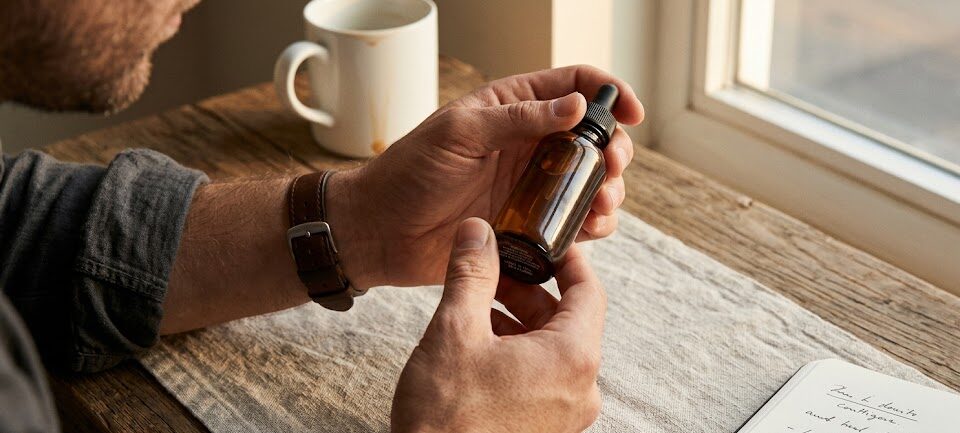
Fresh e-liquid should have a clear, identifiable scent that matches its stated flavor profile. A bottle that used to smell like vanilla or citrus and now smells sharp, chemical, or unrecognizable has had its flavoring compounds break down. That rancid or off smell is one of the clearest expired e-liquid symptoms available and a reliable enough signal to discard the bottle without further testing.
Change in Taste
Taste is usually the most obvious indicator. Expired e-liquid typically tastes muted, unusually harsh, or outright wrong compared to how it tasted originally. Vape juice nicotine degradation specifically tends to produce a peppery or bitter quality underneath whatever the stated flavor is supposed to be. If the first pull tastes noticeably wrong, trust it.
Change in Consistency
Some separation in e-liquid is normal. PG and VG have different viscosities, and the liquid can stratify on standing, which usually resolves with a shake. Separation that will not resolve after shaking, or an unusual thickness that has developed in a previously thinner bottle, suggests degradation beyond normal settling.
Reduced Throat Hit or Nicotine Effect
As nicotine oxidizes, its potency drops. Vapers who rely on consistent nicotine delivery will notice the shift before they spot anything visual or olfactory: the same bottle that once delivered a clear throat hit simply stops doing that. This is a reliable early sign of vape juice nicotine degradation that often appears before any visible change.
Is It Safe to Vape Expired E-Liquid?
Can you vape expired e-liquid without immediate harm? In most cases, yes. The components do not become toxic as they age; they degrade rather than transform into something harmful. That said, it is not recommended. The main risks are related to poor experience:
off flavor
weakened nicotine delivery
potential irritation from degraded flavoring compounds
Vapers researching the safest vape brands tend to factor in production standards and freshness for good reason. If any of the signs above are present, the safest option is to dispose of the bottle.
How to Store Vape Juice to Extend Its Shelf Life
Proper storage is the most straightforward way to get the full life out of a bottle, and understanding how to store e-liquid comes down to four e-liquid storage tips.
Keep Away From Light
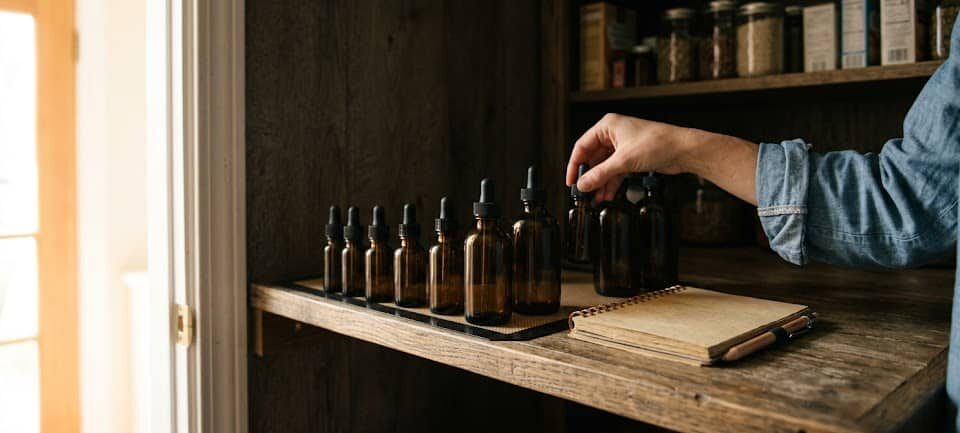
Keep bottles in a drawer, cabinet, or any opaque container. UV light accelerates nicotine oxidation and flavoring degradation, and the effect compounds over weeks and months. Dark glass bottles offer some protection on their own, but closed storage eliminates the risk entirely.
Store in a Cool Place
A consistently cool location slows the chemical reactions that degrade nicotine and flavor compounds. Room temperature in a shaded area is sufficient for short-term storage. For long-term storage of unopened bottles, a refrigerator works well; allow the juice to return to room temperature before use since cold liquid may not work properly.
Limit Air Exposure
Oxygen drives nicotine oxidation. Always close the cap firmly after each use. If a large bottle is partially used and will sit for a while, transferring the remaining juice to a smaller bottle reduces the air in contact with the liquid.
Avoid Frequent Temperature Changes
Repeated heating and cooling affects consistency and can accelerate flavor degradation over time. Picking a consistent storage spot and leaving bottles there removes one variable from the equation.
Does Vape Juice Without Nicotine Last Longer?
Nicotine-free e-liquid tends to have a more stable shelf life. With vape juice nicotine degradation removed as the primary driver of change, the remaining components (PG, VG, and flavoring concentrates) are all relatively stable under good storage conditions.
Flavorings still break down over time, so the same storage principles apply regardless of nicotine content. For vapers who buy in bulk, nicotine-free options offer a slightly longer window. Think of it as a longer clock, not a different set of rules.
How to Dispose of Expired Vape Juice Safely
Expired vape juice should be disposed of carefully, especially if it contains nicotine. E-liquid should not be poured down the drain or flushed, as nicotine is toxic to aquatic life and not fully removed by wastewater treatment systems.
For small amounts, the simplest method is to absorb the liquid into a paper towel, seal it in a bag along with the empty bottle, and place it in the bin. This prevents leaks and limits accidental exposure.
If you are disposing of larger quantities, check for local hazardous waste disposal programs, as some areas treat nicotine-containing products as household hazardous waste.
Always keep e-liquid and disposal materials out of reach of children and pets during the process. If possible, remove or obscure labels before discarding bottles to avoid misuse or confusion.
The goal is simple: contain the liquid, prevent environmental exposure, and dispose of it in a way that minimizes risk.
You can also ask at your local Vape Shop for guidance on storage or disposal practices.
FAQ
Can you use vape juice past its expiry date?
Can you vape expired e-liquid without immediate harm? In most cases, yes. Degraded e-liquid is unlikely to be acutely dangerous. But expired juice typically tastes noticeably worse and delivers less consistent nicotine. If it smells or tastes off, discard it.
Does nicotine-free vape juice last longer?
Generally, yes. Without nicotine oxidation as the main degradation driver, nicotine-free e-liquid tends to remain stable for longer. Flavor compounds still break down over time, so the same storage conditions apply.
What happens if you vape expired e-liquid?
Most people notice a worse flavor and reduced throat hit. Degraded flavoring compounds can also cause mild irritation. There are no well-documented serious health risks from occasional use of mildly expired e-liquid, but there is no reason to use juice that has clearly gone off.
How can I tell if vape juice has been steeped or gone bad?
Steeping darkens e-liquid and typically improves the flavor. If a darker bottle still smells and tastes recognizably good, it has likely been steeped. Bad juice has a noticeably off or chemical smell, a harsh or muted taste, or visible signs of degradation. The smell test is usually the fastest way to tell the difference.
Subscribe now to keep reading and get access to the full archive.
"*" indicates required fields
Table of Contents
About the Author
Shelby Bockman
Shelby is a vape industry professional with more than seven years of experience in the vaping community and currently serves as a manager at Pink Spot Vapors, a well-known Las Vegas vape shop. With extensive knowledge of vaping devices, premium e-liquid, nicotine strengths, and flavor profiles, Shelby helps customers find the perfect vape setup to match their preferences and lifestyle.
Her expertise includes guiding both beginners and experienced vapers through the wide range of vape devices, helping them understand nicotine levels, and introducing them to unique e-liquid flavor profiles. Shelby is passionate about helping customers discover high-quality vape products while promoting responsible vaping and a personalized customer experience.
At Pink Spot Vapors in Las Vegas, Shelby also creates content that highlights the craftsmanship behind premium e-liquid, innovative flavor blends, and the creativity within the vape community. Her hands-on experience and passion for vaping help customers explore new flavors, find the right devices, and enjoy a better vape experience.
About the Author
Shelby Bockman
Shelby is a vape industry professional with more than seven years of experience in the vaping community and currently serves as a manager at Pink Spot Vapors, a well-known Las Vegas vape shop. With extensive knowledge of vaping devices, premium e-liquid, nicotine strengths, and flavor profiles, Shelby helps customers find the perfect vape setup to match their preferences and lifestyle.
Her expertise includes guiding both beginners and experienced vapers through the wide range of vape devices, helping them understand nicotine levels, and introducing them to unique e-liquid flavor profiles. Shelby is passionate about helping customers discover high-quality vape products while promoting responsible vaping and a personalized customer experience.
At Pink Spot Vapors in Las Vegas, Shelby also creates content that highlights the craftsmanship behind premium e-liquid, innovative flavor blends, and the creativity within the vape community. Her hands-on experience and passion for vaping help customers explore new flavors, find the right devices, and enjoy a better vape experience.